
Everyday use
A card in a pocket for the person who gets paid, tipped, or repaid in crypto and is tired of pasting addresses.
The Cronyl concept
This page is the idea behind the card. Not a feature list. A position.
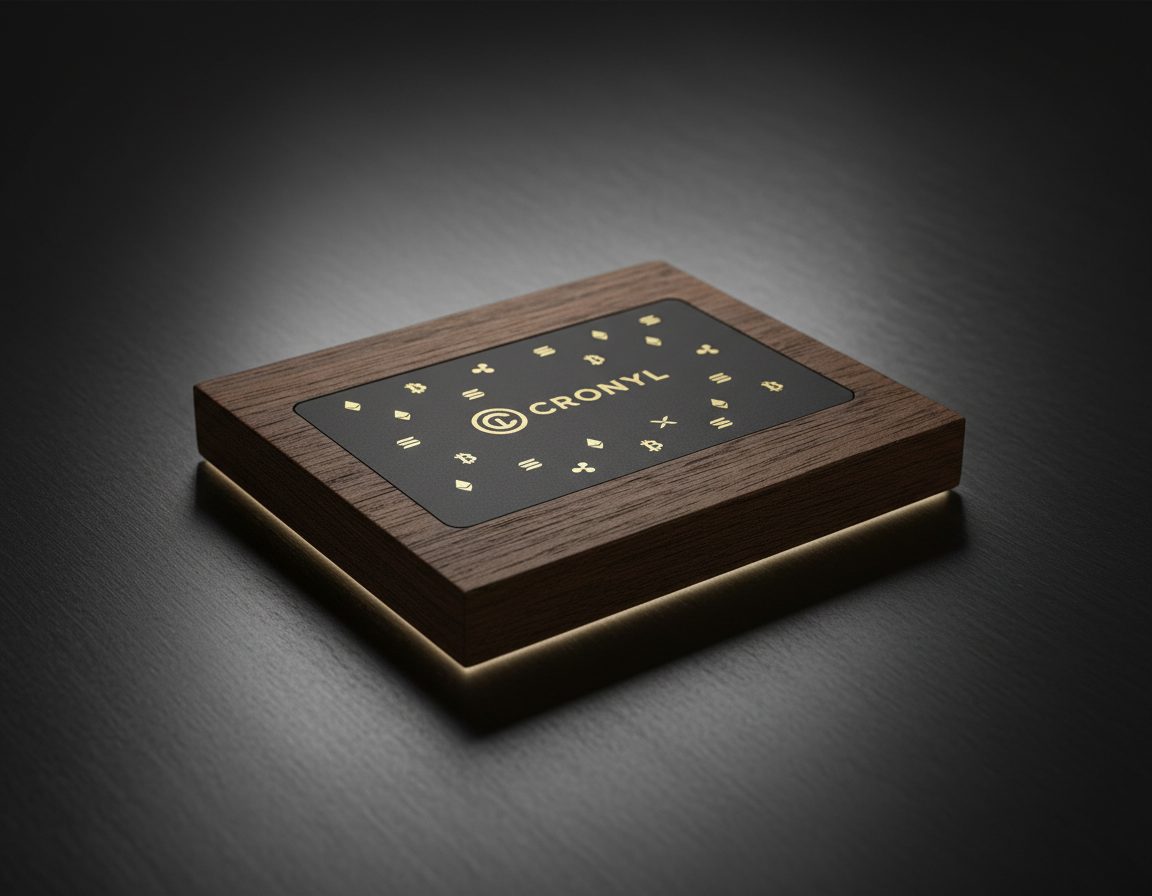
People understand objects. A coin, a card, a key. They have edges. They can be given, kept, lost, displayed. Digital assets skipped that step. They went straight to accounts, screens, and strings of characters.
Cronyl puts a metal object back in the sequence, without putting a company in custody of the asset. The card is not the bitcoin, the NFT, or the token. It is how that asset becomes present in a room: metal, gold finish, made to last a lifetime.

A short-range tap is enough. No address read aloud. No seed phrase written down to “make it easier.” The phone meets the card. The card opens the wallet experience you configured. The network does the rest.
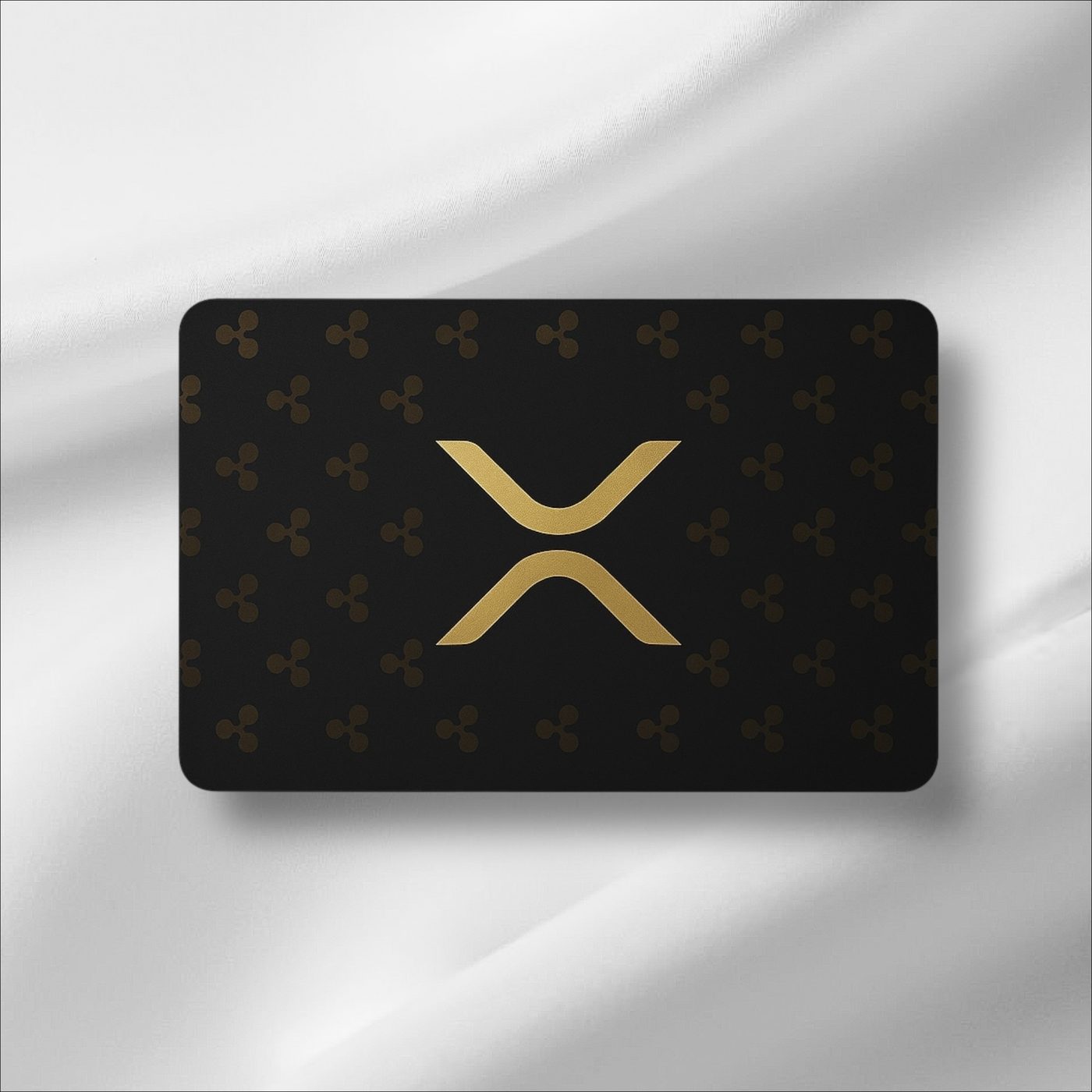
This is the line Cronyl will not cross. The card can open a receive path. It cannot sign. It cannot recover a wallet. It cannot freeze a balance, because it never had one.
Cronyl does not custody assets. If that sentence ever stops being true, the product has stopped being Cronyl.

The idea needed a material. Plastic would have made it a gadget. Metal, with a gold finish, makes it something you keep. There is no plan that expires the card. You hold it for a lifetime.
The finish is the point of the object. It is not a coating over a balance. Cronyl still does not hold the asset. The gold is the card. The value stays in your wallet.
Setup is not a subscription. Without fees.
The concept was never six coins. A wallet can receive almost any asset on the networks it supports. Cronyl opens that wallet. The card does not decide the asset. You do, when you connect the address.


The host does not matter. Every card opens up to three addresses.
A card in a pocket for the person who gets paid, tipped, or repaid in crypto and is tired of pasting addresses.
The Satoshi card stands on its own as a finish. Gold editions are names on metal. Underneath, every card is the same tap, the same three wallets, any host.
A Gold edition named for bitcoin is still a card for up to three wallets. So is Core. So is the Satoshi card. One address might be crypto. Another, a real world asset you actually hold. A third, NFTs. The host can differ for each address.
You do not need the Cronyl App to send or receive. The tap opens a browser, or the wallet app the other person already uses to send. The app only forwards. Inside it you can watch markets, turn incoming alerts off, and hear about a payment at the first confirmed block.
The metal and the gold finish are what you keep for a lifetime. The assets never move into the card. Without fees.

