
Présence
Une carte peut rester sur une table, dans un portefeuille ou dans une collection. Une adresse de wallet, non.
L'idée
Les assets numériques sont réels. Ils sont aussi invisibles. Une adresse de wallet est une suite de caractères. Un solde est un chiffre sur un écran. Rien de tout ça n'a de poids, ni de place dans la pièce.
Cronyl part d'un constat simple : on sait déjà donner un objet. On ne sait pas donner une adresse de wallet. La carte est cet objet. Le wallet reste où il est.
Ton wallet. Tes assets. Ton contrôle.
Pourquoi une interface physique
Pas un nouveau token. Pas un compte conservé. Un moyen de rendre la réception aussi claire que tendre une carte.
Une carte peut rester sur une table, dans un portefeuille ou dans une collection. Une adresse de wallet, non.
Les éditions or et la carte Satoshi sont une finition. Elles ne limitent pas la carte à un asset. Chaque carte Cronyl ouvre jusqu'à trois wallets.
Recevoir ne devrait pas demander de lire une suite de caractères, ni de faire confiance à la capture d'un QR code.
La carte est faite pour être gardée. Aucun abonnement ne l'éteint.
Le problème
Un transfert sur une blockchain n'a pas de bouton retour. Un caractère de trop, une adresse copiée depuis le mauvais réseau, un QR code sorti d'une vieille capture : chacun peut envoyer des assets là où on ne les récupère pas.
Cronyl n'est pas dans le transfert. Il enlève le moment où quelqu'un doit taper l'adresse de wallet. La carte ouvre le wallet que tu as déjà configuré.
Position
Cronyl n'est utile que s'il refuse le marché habituel. En crypto, le confort se vend souvent en laissant quelqu'un d'autre conserver. Nous ne le faisons pas. La carte ne détient pas de fonds, ne connaît pas ta seed phrase et ne contrôle pas de clé privée.
Si Cronyl disparaissait demain, les assets seraient toujours dans ton wallet. C'est à ça qu'on mesure le produit.
Posséder la carte et posséder les assets vont ensemble. Ce n'est pas la même chose. Tu possèdes l'objet. Tu possèdes les clés. Cronyl ne possède ni ton argent ni ta phrase de récupération.
Le produit
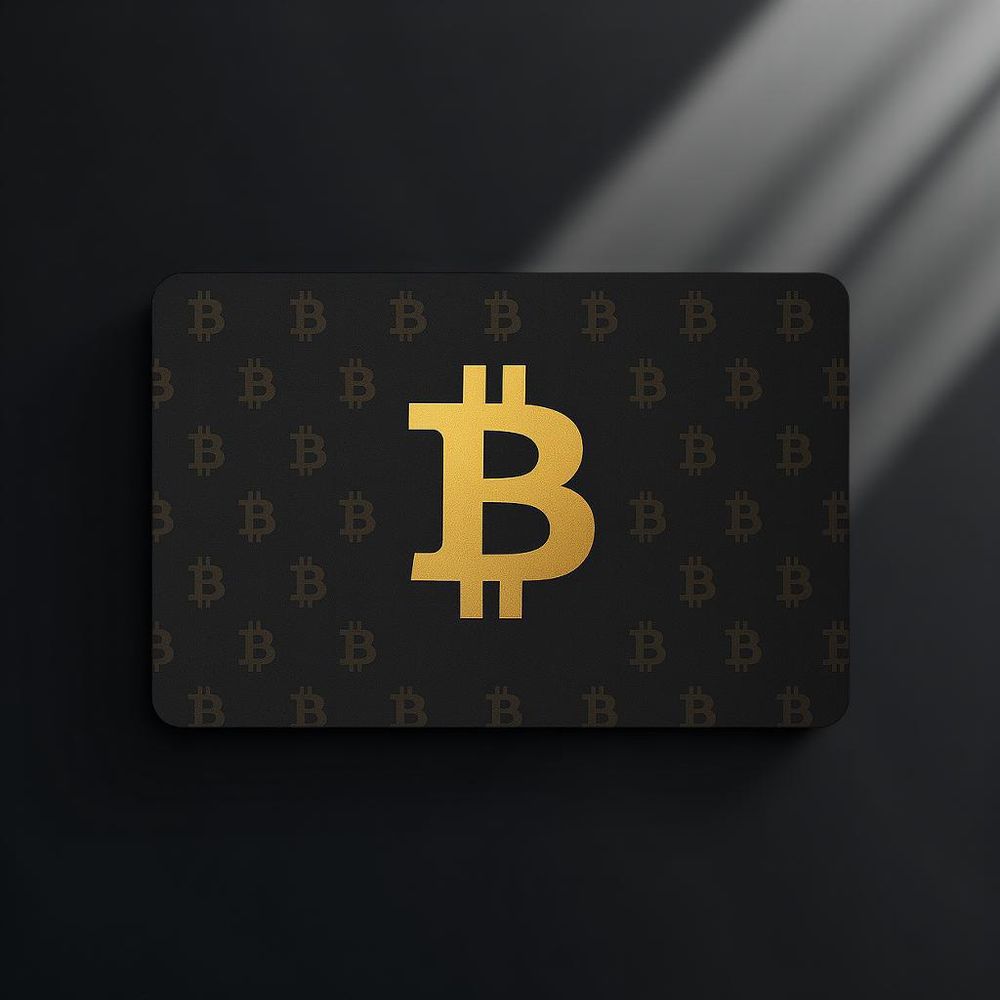
Cronyl Core, les éditions or et la carte Satoshi sont un seul produit, avec des finitions différentes. Aucune ne choisit l'asset à ta place.
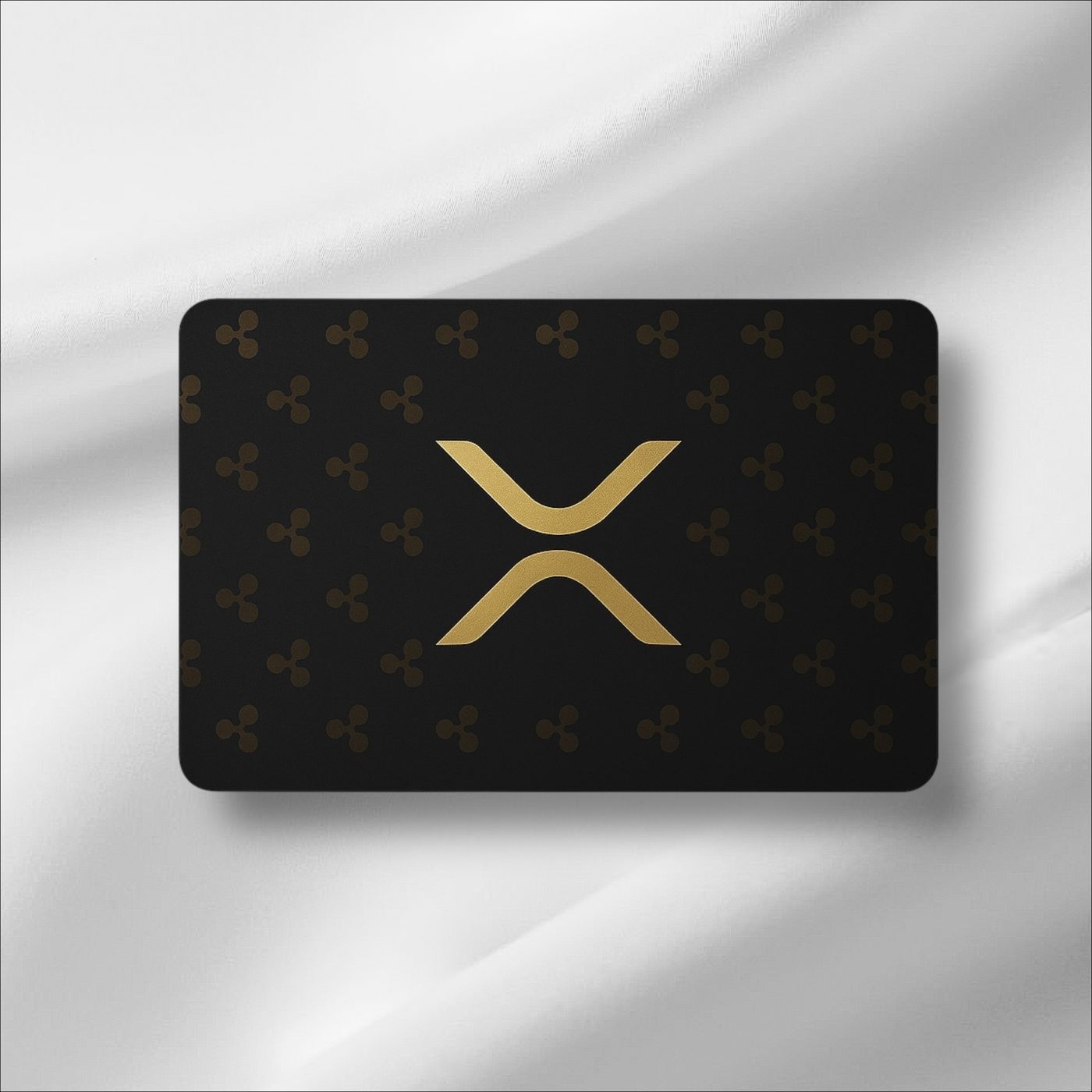
La finition, le signe et le poids sont le produit. La technique reste volontairement en arrière. Un tap doit sembler aussi simple que tendre une carte, et aussi sérieux que le wallet derrière.
Sécurité

Vision
Plus la valeur circule sur les réseaux, paiements, pièces de collection, Real World Assets, plus on a besoin d'une interface physique calme. Pas d'une app plus bruyante. D'un objet qui rend l'invisible lisible.
La vision de Cronyl, c'est un monde où il suffit de tendre une carte. Le wallet s'ouvre. Les assets arrivent là où tu les gardes déjà. L'entreprise entre les deux ne les conserve jamais.
Die Idee
Digitale Assets sind real. Sie sind auch unsichtbar. Eine Wallet-Adresse ist eine Zeichenkette. Ein Guthaben ist eine Zahl auf einem Bildschirm. Nichts daran hat Gewicht, Präsenz oder einen Platz im Raum.
Cronyl begann mit einer einfachen Beobachtung: Menschen wissen schon, wie man jemandem einen Gegenstand gibt. Sie wissen nicht, wie man jemandem eine Wallet-Adresse gibt. Die Karte ist dieser Gegenstand. Die Wallet bleibt, wo sie ist.
Deine Wallet. Deine Assets. Deine Kontrolle.
Warum eine physische Schnittstelle
Kein neuer Token. Kein verwahrtes Konto. Ein Weg, Empfangen so klar zu machen wie das Übergeben einer Karte.
Eine Karte kann auf einem Tisch liegen, in einer Geldbörse oder in einer Sammlung. Eine Wallet-Adresse kann das nicht.
Gold-Editionen und die Satoshi-Karte sind ein Finish. Sie begrenzen die Karte nicht auf ein Asset. Jede Cronyl-Karte öffnet bis zu drei Wallets.
Empfangen sollte nicht verlangen, eine Zeichenkette vorzulesen oder einem Screenshot eines QR-Codes zu vertrauen.
Die Karte ist gemacht, um behalten zu werden. Es gibt kein Abonnement, das sie abschaltet.
Das Problem
Blockchain-Übertragungen haben keinen Rückgängig-Knopf. Ein vertipptes Zeichen, eine kopierte Wallet-Adresse vom falschen Netzwerk, ein QR-Code aus einem alten Screenshot — jedes davon kann Assets dorthin schicken, wo sie nicht zurückgeholt werden können.
Cronyl ist nicht Teil der Übertragung. Es nimmt den Moment weg, in dem jemand die Wallet-Adresse eintippen muss. Die Karte öffnet die Wallet, die du schon eingerichtet hast.
Haltung
Cronyl ist nur nützlich, wenn es den üblichen Tausch ablehnt. Bequemlichkeit in Krypto wird oft verkauft, indem jemand die Verwahrung übernimmt. Wir tun das nicht. Die Karte hält keine Gelder, kennt deine Seed-Phrase nicht und kontrolliert keine privaten Schlüssel.
Wenn Cronyl morgen verschwände, lägen die Assets immer noch in deiner Wallet. Daran messen wir das Produkt.
Die Karte zu besitzen und die Assets zu besitzen gehört zusammen. Es ist nicht dasselbe. Du besitzt den Gegenstand. Du besitzt die Schlüssel. Cronyl besitzt weder dein Geld noch deine Wiederherstellungsphrase.
Produktgestaltung
Cronyl Core, die Gold-Editionen und die Satoshi-Karte sind ein Produkt mit verschiedenen Finishes. Keines davon wählt das Asset für dich.
Finish, Zeichen und Gewicht sind das Produkt. Die Technik bleibt absichtlich im Hintergrund. Ein Antippen soll sich so selbstverständlich anfühlen wie das Übergeben einer Karte, und so ernst wie die Wallet dahinter.
Sicherheit
Vision
Je mehr Wert sich auf Netzwerken bewegt — Zahlungen, Sammlerstücke, Real World Assets — desto größer wird das Bedürfnis nach einer ruhigen physischen Schnittstelle. Keine lautere App. Ein Gegenstand, der das Unsichtbare lesbar macht.
Cronyls Vision ist eine Welt, in der es reicht, jemandem eine Karte zu geben. Die Wallet öffnet sich. Die Assets kommen dort an, wo du sie schon aufbewahrst. Das Unternehmen dazwischen verwahrt sie nie.
The idea
Digital assets are real. They are also invisible. An address is a string. A balance is a number on a screen. Nothing about that experience has weight, presence, or a place in a room.
Cronyl started from a simple observation: people already know how to hand someone an object. They do not know how to hand someone a wallet address. The card is that object. The wallet stays where it is.
Your wallet. Your assets. Your control.
Why a physical interface
Not a new token. Not a custodial account. A way to make receiving as clear as handing over a card.
A card can sit on a table, in a wallet, or in a collection. An address cannot.
Gold editions and the Satoshi card are a finish. They do not limit the card to one asset. Every Cronyl card opens up to three wallets.
Receiving should not require reading a string aloud or trusting a screenshot of a QR code.
The card is designed to be kept. There is no subscription that turns it off.
The problem
Blockchain transfers do not have an undo button. A mistyped character, a copied address from the wrong network, a QR code from an old screenshot — any of these can send assets somewhere they cannot be retrieved.
Cronyl does not sit in the transfer. It removes the moment where a person has to type the destination. The card opens the wallet experience you already configured.
Philosophy
Cronyl is useful only if it refuses the usual trade. Convenience in crypto is often sold by taking custody. We do not. The card does not hold funds, does not know your seed phrase, and does not control private keys.
If Cronyl disappeared tomorrow, the assets would still be in your wallet. That is the standard we design toward.
Physical ownership of the card and digital ownership of the assets are related, and they are not the same thing. You own the object. You own the keys. Cronyl owns neither your money nor your recovery phrase.
Product design
Cronyl Core, the Gold editions, and the Satoshi card are one product with different finishes. None of them choose the asset for you.
The finish, the mark, and the weight of the object are the product. The technology is quiet on purpose. A tap should feel as ordinary as handing over a card, and as serious as the wallet behind it.
Security philosophy
Vision
As more value moves on networks — payments, collectibles, real world assets — the need for a calm physical interface grows. Not a louder app. An object that makes the invisible legible.
Cronyl’s vision is a world where handing someone a card is enough. The wallet opens. The assets arrive where you already keep them. The company in the middle never holds them.

Fini à l'or. À garder toute une vie. Aucun frais.
Mit Gold vollendet. Ein Leben lang behalten. Keine Gebühren.
Finished with gold. Kept for a lifetime. Zero Fees.
Cronyl achtet deine Privatsphäre und schützt deine personenbezogenen Daten. Diese Datenschutzerklärung beschreibt, wie Cronyl UG (haftungsbeschränkt) personenbezogene Daten erhebt, nutzt, speichert und schützt, wenn du unsere Website besuchst, Produkte kaufst, unsere Dienste nutzt oder uns kontaktierst.
Cronyl UG (haftungsbeschränkt)
Prenzlauer Allee 7
10405 Berlin
Deutschland
Geschäftsführer: Nnebeolisa John Ekeagu
E-Mail: contact@cronyl.com
Cronyl ist verantwortlich für die Verarbeitung deiner personenbezogenen Daten im Zusammenhang mit Website, Onlineshop, Produkten und Diensten.
Je nachdem, wie du unsere Dienste nutzt, können wir insbesondere folgende Angaben verarbeiten:
Wir erheben nur Daten, die für den jeweiligen Zweck erforderlich sind.
Wir können personenbezogene Daten nutzen, um
Je nach Situation und anwendbarem Recht verarbeiten wir Daten auf Grundlage von
Beruht die Verarbeitung auf einer Einwilligung, kannst du sie jederzeit widerrufen.
Der Onlineshop läuft über Shopify. Shopify und weitere Dienstleister können personenbezogene Daten in unserem Auftrag oder als eigene Verantwortliche verarbeiten, etwa für Hosting, Zahlung, Versand, Analyse, Kundenservice, Sicherheit und die Funktion der Website.
Dazu können Zahlungsdienstleister, Versanddienstleister, Analysedienste, Marketingplattformen und Technikdienstleister gehören. Diese Stellen verarbeiten Daten nach ihren eigenen Datenschutzhinweisen und nach dem geltenden Recht.
Zahlungen laufen über die Zahlungsarten und Anbieter, die an der Kasse angeboten werden. Cronyl erhält und speichert in der Regel keine vollständigen Kartendaten. Zahlungsdienstleister können Zahlungsdaten nach ihren eigenen Datenschutzhinweisen und nach dem geltenden Recht verarbeiten.
Die Website kann Cookies und ähnliche Techniken nutzen, die für Betrieb, Sicherheit und Funktion des Shops nötig sind. Analyse, Werbung oder andere nicht notwendige Techniken setzen wir nur ein, soweit das erlaubt ist und, wo nötig, erst nach deiner Einwilligung.
Bestimmte Cookie-Einstellungen kannst du über die Hinweise auf der Website oder in deinem Browser steuern.
Soweit das Recht es erlaubt, können wir dir Informationen zu Cronyl, Produkten, Veröffentlichungen, Angeboten oder anderen Neuigkeiten senden. Von Werbe-E-Mails kannst du dich jederzeit über den Abmeldelink in der Nachricht oder über contact@cronyl.com abmelden.
Wir verkaufen deine personenbezogenen Daten nicht als eigenständiges Produkt.
Wir können Daten an vertrauenswürdige Dienstleister und Partner weitergeben, soweit das nötig ist, um das Geschäft zu führen, Bestellungen zu erfüllen, Zahlungen abzuwickeln, Dienste zu erbringen, die Sicherheit zu wahren oder gesetzliche Pflichten zu erfüllen.
Eine Offenlegung kann auch erfolgen, wenn Gesetz, ein Verfahren oder eine Behörde das verlangen, oder um unsere Rechte und die Sicherheit unserer Kunden und Dienste zu schützen.
Cronyl und unsere Dienstleister können international tätig sein. Deine Daten können deshalb auch außerhalb deines Wohnsitzlands verarbeitet werden, einschließlich außerhalb des Europäischen Wirtschaftsraums. Soweit das Recht es verlangt, setzen wir dafür geeignete Garantien ein.
Wir speichern personenbezogene Daten nur so lange, wie es für die Zwecke dieser Erklärung nötig ist. Dazu gehören die Erfüllung von Verträgen, die Erbringung von Diensten, die Klärung von Streitfällen, die Verhinderung von Betrug und gesetzliche, buchhalterische oder aufsichtsrechtliche Pflichten.
Wir treffen angemessene technische und organisatorische Maßnahmen, um personenbezogene Daten vor unbefugtem Zugriff, Verlust, Missbrauch, Veränderung oder Offenlegung zu schützen. Keine Übertragung und kein Speichersystem im Internet kann vollständig sicher sein.
Je nach deinem Wohnort und dem geltenden Recht können dir insbesondere diese Rechte zustehen:
Diese Rechte kannst du unter contact@cronyl.com geltend machen. Du kannst dich außerdem bei der zuständigen Datenschutzbehörde in deinem Land beschweren.
Unsere Dienste richten sich nicht an Kinder, soweit das geltende Recht das untersagt. Wir erheben wissentlich keine Daten von Kindern ohne die dafür nötige rechtliche Grundlage.
Wir können diese Datenschutzerklärung anpassen, wenn sich Dienste, Technik, Recht oder unsere Arbeitsweise ändern. Die neue Fassung erscheint auf dieser Seite.
Fragen zu dieser Erklärung oder zur Verarbeitung deiner Daten richtest du an:
Cronyl UG (haftungsbeschränkt)
Prenzlauer Allee 7
10405 Berlin
Deutschland
E-Mail: contact@cronyl.com
Diese Allgemeinen Geschäftsbedingungen regeln die Nutzung der Cronyl-Website und des Onlineshops sowie den Kauf von Produkten bei Cronyl UG (haftungsbeschränkt).
Mit dem Besuch der Website oder einer Bestellung stimmst du diesen Bedingungen zu, soweit das geltende Recht das zulässt. Zwingende Verbraucherrechte bleiben unberührt.
Cronyl UG (haftungsbeschränkt)
Prenzlauer Allee 7
10405 Berlin
Deutschland
Geschäftsführer: Nnebeolisa John Ekeagu
E-Mail: contact@cronyl.com
Du darfst die Website nur rechtmäßig und im Einklang mit diesen Bedingungen nutzen. Du darfst die Website nicht dafür verwenden,
Cronyl bietet physische Karten mit NFC und zugehörige Produkte an. Sie sind eine physische Schnittstelle zu digitalen Assets und zu kompatiblen Krypto-Wallets.
Wir bemühen uns, Beschreibungen, Angaben, Bilder, Farben und Preise richtig darzustellen. Geringe Abweichungen im Aussehen können vorkommen. Die Verfügbarkeit kann sich ohne Vorankündigung ändern.
Mit einer Bestellung gibst du ein Angebot zum Kauf der ausgewählten Produkte ab. Eine Bestellung ist angenommen, wenn wir sie bestätigen oder den Kauf auf andere Weise annehmen.
Wir können eine Bestellung ablehnen oder stornieren, soweit das Recht das erlaubt, etwa bei Verdacht auf Betrug, bei Preisfehlern, bei fehlender Verfügbarkeit oder bei technischen Fehlern.
Die geltenden Produktpreise und Versandkosten werden im Bestellvorgang angezeigt. Eine Bestellung wird erst bearbeitet und versendet, wenn die Zahlung erfolgreich autorisiert ist. Für die Zahlung können wir Drittanbieter einsetzen. Deren eigene Bedingungen können zusätzlich gelten.
Versandhinweise, mögliche Ziele, voraussichtliche Lieferzeiten und Versandkosten stehen im Bestellvorgang oder auf der jeweiligen Produktseite.
Lieferzeiten sind Schätzungen. Sie können sich aus Gründen ändern, die wir nicht beherrschen, etwa durch Verzögerungen beim Versanddienst, Zoll, Feiertage oder andere Ereignisse.
Bei internationalen Bestellungen können Zölle, Einfuhrsteuern oder andere örtliche Abgaben anfallen. Soweit nichts anderes angegeben ist, trägt diese Kosten der Kunde.
Für Rückgaben, Erstattungen, beschädigte oder mangelhafte Produkte und falsche Lieferungen gilt unsere Rückgaberichtlinie.
Diese Bedingungen schränken keine zwingenden Verbraucherrechte ein, einschließlich Widerruf, Kündigung, Gewährleistung oder anderer gesetzlicher Ansprüche.
Cronyl-Produkte sind physische Schnittstellen für kompatible Krypto-Wallets und Blockchain-Netzwerke.
Cronyl ist keine Kryptobörse, keine Bank, kein Verwahrer und kein Finanzinstitut. Cronyl verwahrt deine Krypto-Assets nicht, speichert keine Seed-Phrase und kontrolliert keine privaten Schlüssel.
Für Wallet, private Schlüssel, Seed-Phrasen, Wallet-Adressen, Transaktionen und digitale Assets bleibst allein du verantwortlich.
Transaktionen auf einer Blockchain können unumkehrbar sein. Prüf vor dem Senden Wallet-Adresse, Netzwerk, Asset und die weiteren Angaben der Transaktion.
Blockchain-Netzwerke und Wallets von Dritten können eigene Transaktions- oder Netzwerkgebühren erheben. Diese Gebühren bestimmt nicht Cronyl.
Cronyl-Produkte können mit Wallet-Anwendungen, Blockchain-Netzwerken, Zahlungsanbietern und anderen externen Diensten zusammenarbeiten. Ob und wie das funktioniert, kann je nach Wallet, Gerät, Betriebssystem, Netzwerk und Softwareversion unterschiedlich sein.
Dienste Dritter unterliegen deren eigenen Bedingungen und Datenschutzhinweisen. Für Dienste, die Dritte eigenständig betreiben, ist Cronyl nicht verantwortlich.
Name, Logo, Entwürfe, Produktdesigns, Website-Inhalte, Grafiken, Texte, Software und andere Materialien von Cronyl gehören Cronyl oder stehen Cronyl unter Lizenz zu. Sie sind durch das geltende Recht des geistigen Eigentums geschützt.
Ohne vorherige schriftliche Erlaubnis darfst du geistiges Eigentum von Cronyl nicht vervielfältigen, verändern, verbreiten, verkaufen oder kommerziell nutzen.
Wenn du Bewertungen, Rückmeldungen, Bilder, Kommentare oder andere Inhalte an Cronyl schickst, bist du dafür verantwortlich, dass du die nötigen Rechte daran hast. Du darfst keine Inhalte senden, die rechtswidrig, irreführend, beleidigend, verletzend oder sonst schädlich sind.
Wie wir personenbezogene Daten erheben und nutzen, steht in der Datenschutzerklärung. Mit der Nutzung der Website nimmst du zur Kenntnis, dass Daten so verarbeitet werden können, wie es dort beschrieben ist.
Soweit das geltende Recht das zulässt, haftet Cronyl nicht für Verluste aus einem Fehlgebrauch der Produkte, aus falschen Wallet-Adressen, aus einem falschen Blockchain-Netzwerk, aus Fehlern des Nutzers, aus dem Verlust privater Schlüssel oder Seed-Phrasen, aus dem Ausfall einer Wallet eines Dritten, aus Störungen eines Blockchain-Netzwerks oder aus Transaktionen, die der Kunde selbst ausgelöst hat.
Diese Bedingungen schließen keine Haftung aus und begrenzen sie nicht, wo das geltende Recht einen solchen Ausschluss oder eine solche Begrenzung verbietet.
Wir können diese Bedingungen anpassen, wenn sich Produkte, Dienste, das Geschäft oder rechtliche Anforderungen ändern. Die neue Fassung erscheint auf dieser Seite.
Für diese Bedingungen gilt das Recht der Bundesrepublik Deutschland, vorbehaltlich zwingender Verbraucherschutzvorschriften, die im Land oder in der Region des Kunden gelten können.
Fragen zu diesen Bedingungen richtest du an:
Cronyl UG (haftungsbeschränkt)
Prenzlauer Allee 7
10405 Berlin
Deutschland
E-Mail: contact@cronyl.com
Du sollst mit deinem Cronyl-Produkt zufrieden sein. Wenn das nicht der Fall ist, schreib uns bitte so bald wie möglich nach der Lieferung an contact@cronyl.com.
Unbenutzte Cronyl-Karten können in der Regel zurückgegeben werden, wenn sie nicht aktiviert, eingerichtet, mit einer Wallet-Adresse verknüpft oder sonst verwendet wurden.
Für eine Rückgabe sollte das Produkt im ursprünglichen Zustand sein und, soweit das zumutbar ist, mit der Originalverpackung und dem Zubehör zurückgehen.
Weil Cronyl-Karten mit bestimmten Wallet-Adressen und digitalen Assets eingerichtet werden können, sind Produkte, die bereits aktiviert, eingerichtet, registriert oder auf andere Weise personalisiert wurden, von der Rückgabe ausgenommen, soweit das geltende Recht eine solche Ausnahme zulässt.
Wenn deine Cronyl-Karte beschädigt oder mangelhaft ankommt oder du das falsche Produkt bekommst, schreib uns bitte an contact@cronyl.com. Nenn die Bestellnummer und schick passende Fotos oder Angaben mit.
Wir prüfen den Fall und bieten, wo das angebracht ist, Ersatz, Reparatur, Erstattung oder einen anderen Ausgleich nach dem geltenden Recht.
Sobald die Rücksendung bei uns eingegangen und freigegeben ist, erstatten wir den entsprechenden Betrag auf das ursprüngliche Zahlungsmittel. Wie lange das dauert, hängt vom Zahlungsanbieter oder von deinem Institut ab.
Soweit das Recht nichts anderes verlangt, werden ursprüngliche Versandkosten und die Kosten der Rücksendung nicht erstattet.
Bei Lieferungen ins Ausland können Zölle, Einfuhrsteuern, Abfertigungsgebühren oder andere örtliche Abgaben anfallen. Diese Kosten trägt in der Regel der Kunde, soweit an der Kasse nichts anderes steht.
Diese Richtlinie schränkt keine zwingenden Verbraucherrechte ein, die für deinen Kauf nach dem Recht deines Landes oder deiner Region gelten.
Verbrauchern können gesetzliche Rechte auf Widerruf, Kündigung, Gewährleistung oder andere Ansprüche zustehen. Ausnahmen, etwa für personalisierte oder individuell angepasste Produkte, gelten nur, soweit das Recht sie zulässt.
Schick nichts zurück, bevor du uns unter contact@cronyl.com mit Bestellnummer und Grund der Rückgabe geschrieben hast. Bitte schick ein Produkt erst zurück, wenn du von uns eine Anweisung zur Rücksendung erhalten hast.
Cronyl UG (haftungsbeschränkt)
Prenzlauer Allee 7
10405 Berlin
Deutschland